News / Politics
Legal challenge facing East Bristol Liveable Neighbourhood if trial made permanent
Campaigners have warned they will fight a controversial traffic scheme in the courts if it is made permanent.
East Bristol Liveable Neighbourhood project is currently being run as a trial, and councillors will vote in July on whether to keep it.
But critics say it discriminates against disabled people and plan to crowdfund legal costs, which could stretch to £50,000, to launch a civil case against it.
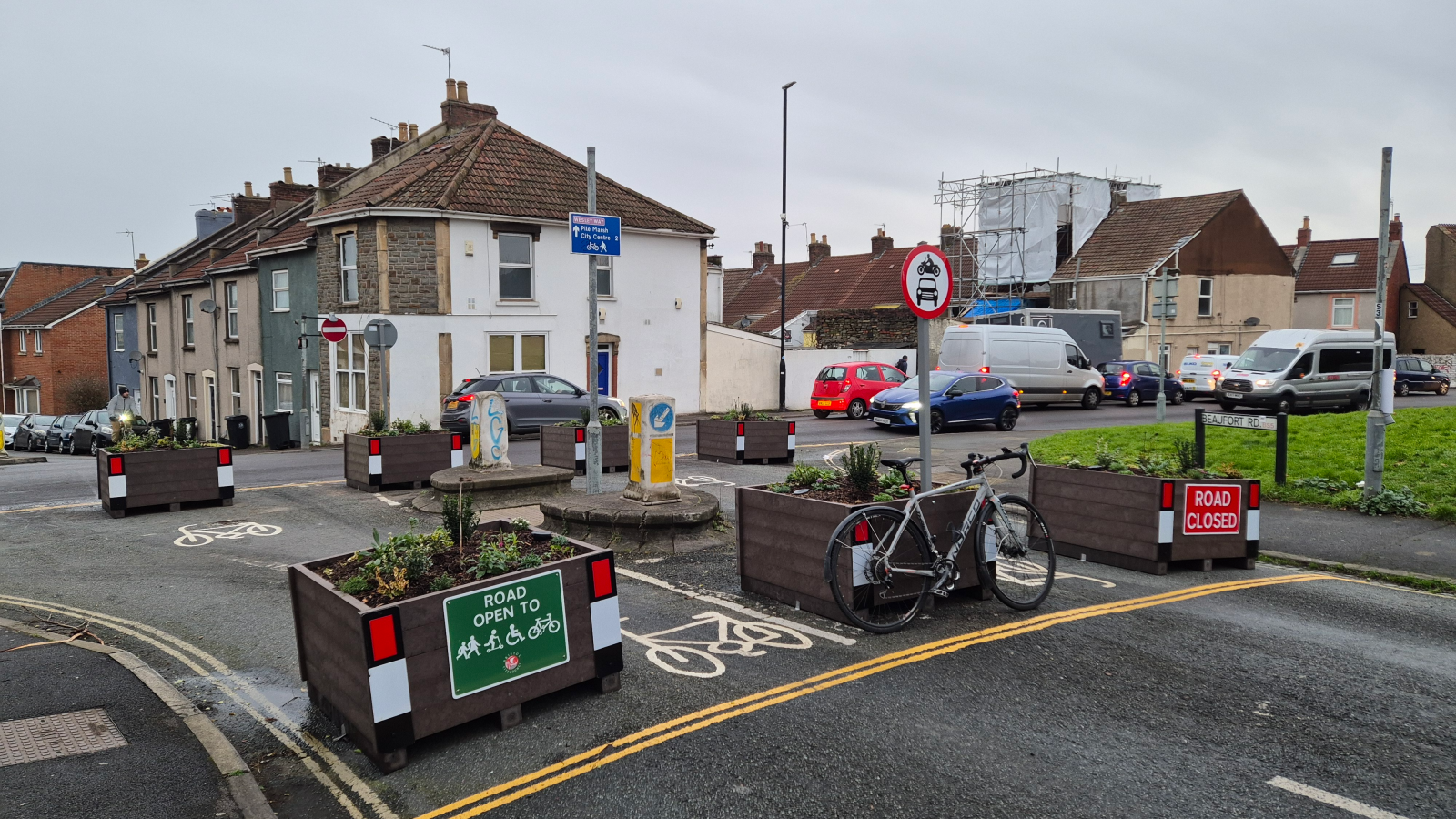
The East Bristol Liveable Neighbourhood covers part of Barton Hill, Redfield and St George. While the trial has reduced traffic on the majority of residential roads, with many locals welcoming the benefits of quieter streets, many other residents are struggling with the changes.
One of the main aims of the scheme is to get more people walking, cycling and using the bus, by making the streets safer. But for some local residents, particularly disabled people, driving a car or van is still the only option and walking or cycling is out of the question, despite the trial.
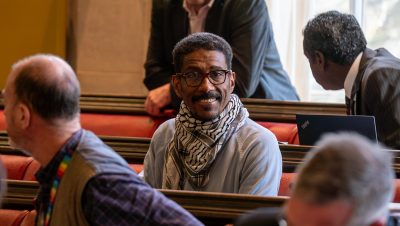
Melissa Topping, a disabled Redfield resident, said the trial has had a disastrous effect on their lives.
Topping said: “I have a serious spinal condition and a hip problem. If I’m on my feet for longer than two or three minutes, even with crutches, that’s it. The pain and locking are unbelievable and I have to sit down.”
She now relies on a mobility scooter to get around and a large van adapted to transport it. But she struggles to navigate around tight corners in the area, especially with the new barriers.
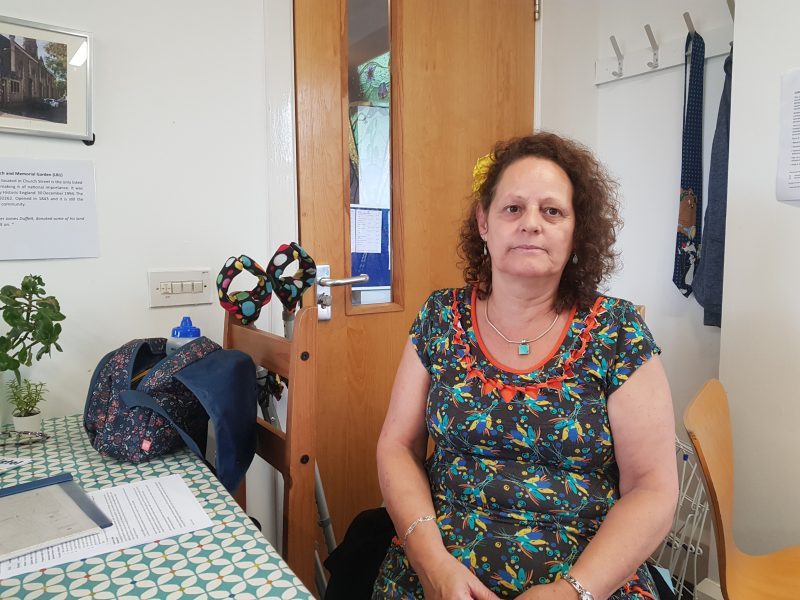
Melissa Topping says the traffic scheme disadvantages disabled people like her
Along with fellow campaigner Katie Sullivan, Topping has been talking to barrister Kevin Leigh, about challenging the council in court should they make the trial permanent. They said the scheme has breached a number of laws regarding disability.
The council has carried out an equalities impact assessment, which details how the trial is affecting groups such as elderly and disabled people, and how to reduce these impacts. This included making taxis exempt from bus gate restrictions, so they can drive through the neighbourhood much less impeded than other drivers.
Disabled drivers with a Blue Badge can also apply for an exemption, as well as professional carers working in homes.
But some concerns linger, including access for fire engines and tailbacks along Blackswarth Road. Even midday on a Wednesday, dozens of cars could be seen queuing to get to the junction with Church Road, with idling cars polluting air outside St Patrick’s Catholic Church Primary School.
Meanwhile other residents have welcomed the liveable neighbourhood, with streets shown to be far quieter now than before the trial was rolled out. Parents have praised the improvement in safety and being able to walk along residential roads without fearing their children could be hit by a car.
All photos: Alex Seabrook
Read next:
 Our newsletters emailed directly to you