Features / history
Bristol’s unique medieval Jewish relic
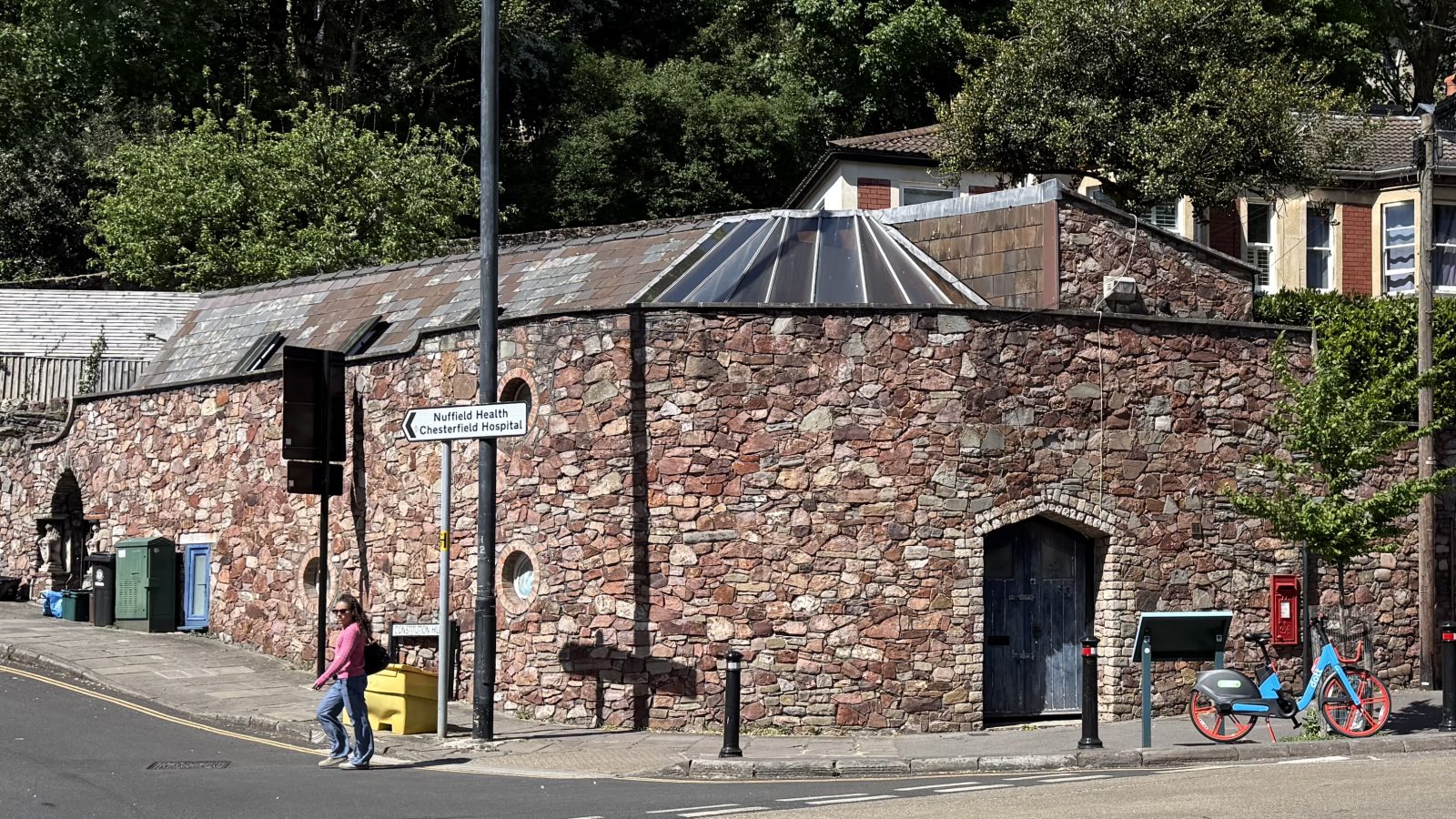
Midway up Jacob’s Wells Road is a medieval relic that has been described as unique in the UK and possibly in Europe.
It is a Jewish ritual bath known as a bet tohorah that relates specifically to washing the dead.
If from medieval times, a Hebrew inscription on the lintel at Jacob’s Well is one of only two Hebrew inscriptions known to have survived in England from that era.
The damaged wording is believed to have originally said ‘mayim zochalim’ meaning ‘flowing water’.
“Long has there been speculation about Jacob’s Well,” write Joe Hillaby and Richard Sermon in Jacob’s Well, Bristol: Mikveh or Bet Tohorah?
The Jewish history of the site was confirmed in 1987 in an exploration of 33 Jacob’s Wells Road by the Bristol Temple Local History Group.
Over the centuries, the site on the corner of Constitution Hill has been a bootmaker, the engine house of the Clifton fire brigade and the bicycle shed for the Clifton division of the Bristol police force whose former headquarters were just over the road.
The archaeological exploration in 1987 came ahead of the opening of a bottling plant bottling plant which sold Brandon Hill’s natural spring waters in Bristol blue glass.

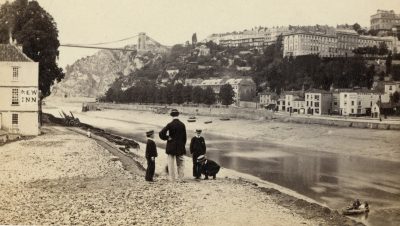
Bristol’s medieval Jewish settlement contained a cemetery beneath what is now QEH School – photo: Martin Booth
It’s important that as Jacob’s Wells Baths is hopefully brought back into community use, the apostrophe is continued to be used to signify that this was once the well of Jacob.
The name of ‘Jacob’s Well’ comes from the Jewish population of medieval Bristol’s use of this location which in turn echoes an ancient holy site in Israel.
The Jewish settlement here in the 12th century also contained a cemetery beneath what is now QEH School.
Learn more about the medieval history of Bristol in a walking tour with Martin Booth. For more information and to book, visit www.yuup.co/experiences/explore-bristol-s-quirkiest-corners
Main photo: Martin Booth
Read next:
 Our newsletters emailed directly to you